
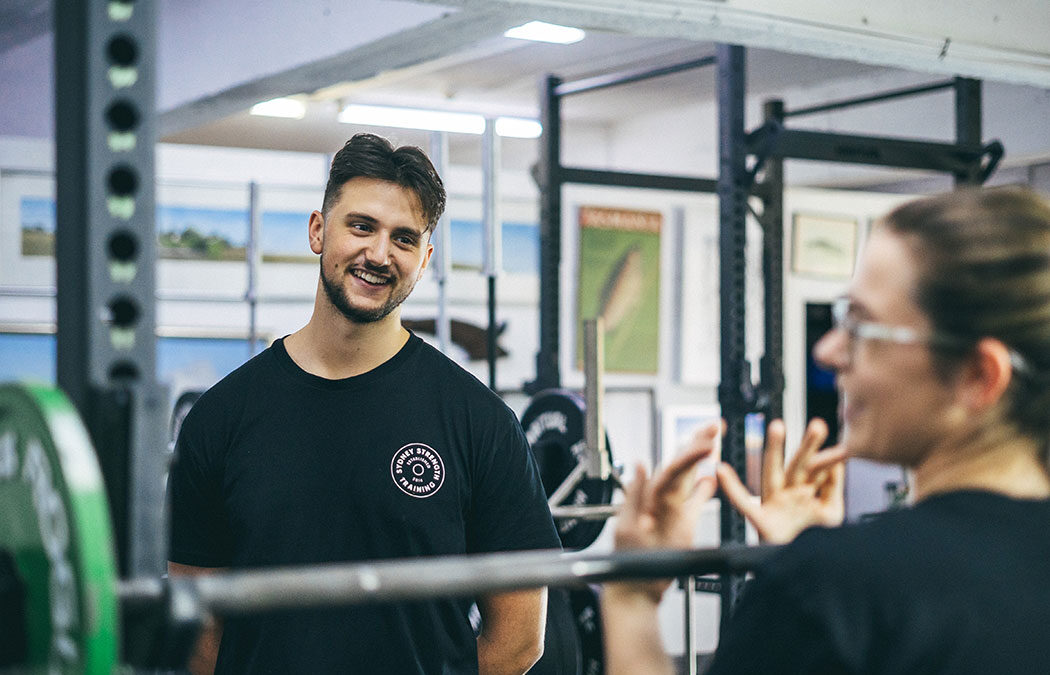
The New Year isn’t just a date on a calendar, it’s symbolic of two things: changing the old and looking towards the new. Without a doubt, when people reflect on their own lives and yearn for change, improving health is at the forefront. With the noise that comes from social media, advice from a mate who got back from a recent wellness retreat or good old fashion know-how from your parents, how are you to know where your priorities should be for health? Perhaps you aren’t sure how to set goals that last. Maybe you’re unsure how a coach can help. You’ve got the resolve to have a healthy new year, but you aren’t sure where to start. At Sydney Strength training we have the expertise you need. Our article today will identify key health priorities, how to set intelligent goals and where our coaching comes in.
What are some health priorities?
What’s a health priority and what’s simply a health “hack”? If you’ve spent any time on social media you might have seen health habits that seem very simple and easy. However, it really is to good to be true. A really clear example is the Apple-Cider Vinegar hype. Claims were made that by simply having a spoonful every morning you could kick start fat loss (despite research showing weight loss only occurred in calorie-controlled studies with regular exercise). Truthfully, we have no issue with health “hacks”. We wish things were that simple! Unfortunately however, lasting change rarely is. There are some very clear health priorities: exercise regularly, consume a health-promoting diet rich in fibre, fruits & vegetables and limited in saturated fats and lastly, limit consumption of alcohol and avoid smoking ¹, ². We would argue that if you can nail those basics, you’ve set yourself up for success.
Setting better goals
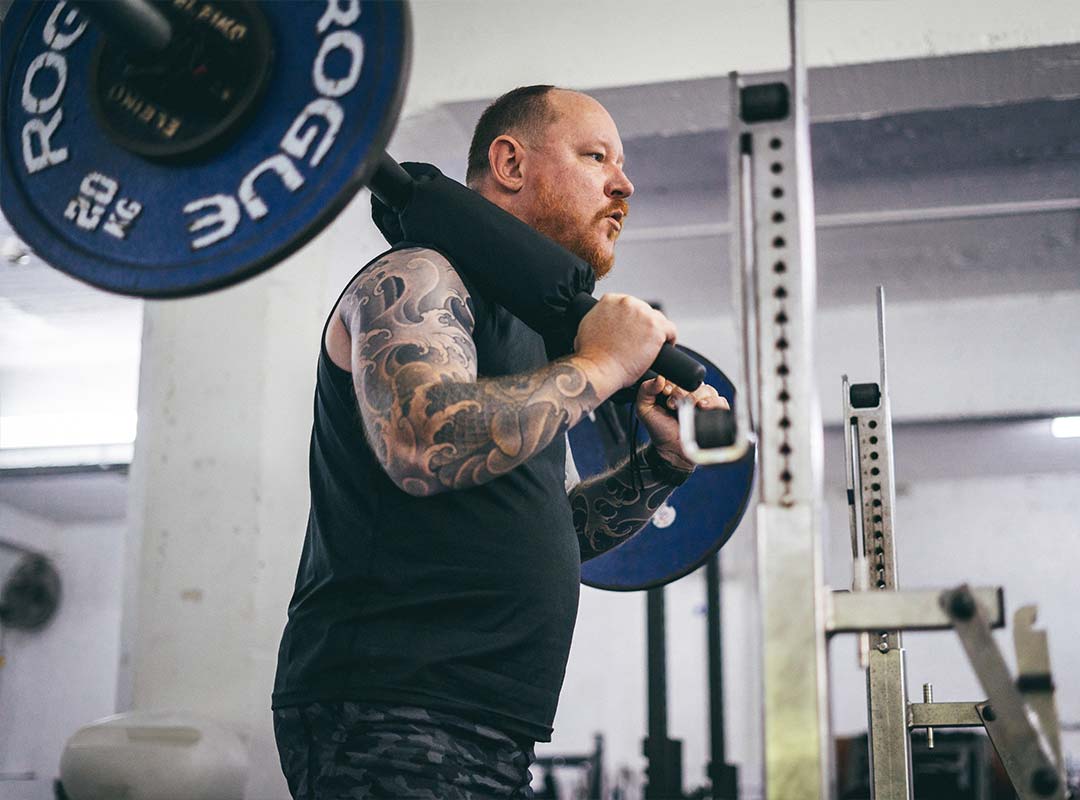
You understand health priorities, but you aren’t sure how to set goals to reach them. Well, being specific is a great start. Many would call it SMART (see what I did there?). For a more in-depth understanding, a Conceptual Review by Swann et al. featured in the Health Psychology Review provides fantastic reading. Importantly, it is specific to Physical Activity participation. In it, the authors highlighted that to set appropriate goals an individual must have the Ability. Furthermore, the goal must have the correct Task Complexity. The goal should reflect someone’s current level of Commitment and individuals must receive quality Feedback. Lastly, individuals require Situational Resources. Without correct appraisal of these “moderators”, individuals “may experience stress, anxiety, pressure, and threat appraisals as a result ³ ”. This in turn causes people to drop out of physical activity interventions. With that in mind, let’s see how a coach can help.
Where quality coaching makes a difference
Our expert coaches at Sydney Strength Training will conduct a needs analysis and figure out an individual’s moderating factors. This is a critical step in determining whether or not a goal is appropriate at any point. As aforementioned Review suggests, when performance goals (such as meeting physical activity targets) are inappropriate, Learning Goals can take their place. In this instance, individuals pursuing learning goals can learn strategies to become active. This can include finding a personal training session that fits within their schedule and resources, and learning fundamental exercises. The process of developing knowledge and skill triggers self-monitoring processes which are uniquely different to performance (“SMART”) goals which prioritise process-driven actions. Learning goals seem to sidestep the potential downsides of falling short of performance goals and therefore, are a fantastic place to start when building new health-promoting behaviours while skills are still limited.
If you’re looking to finally achieve those New Year’s Resolutions don’t hesitate to reach our to our team today and experience the difference.
References:
- https://www.eatforhealth.gov.au/nutrient-reference-values/chronic-disease/introduction
- https://www.who.int/publications/i/item/9789240015128
- https://www.tandfonline.com/doi/10.1080/17437199.2019.1706616?url_ver=Z39.88-2003&rfr_id=ori:rid:crossref.org&rfr_dat=cr_pub%20%200pubmed#d1e874