
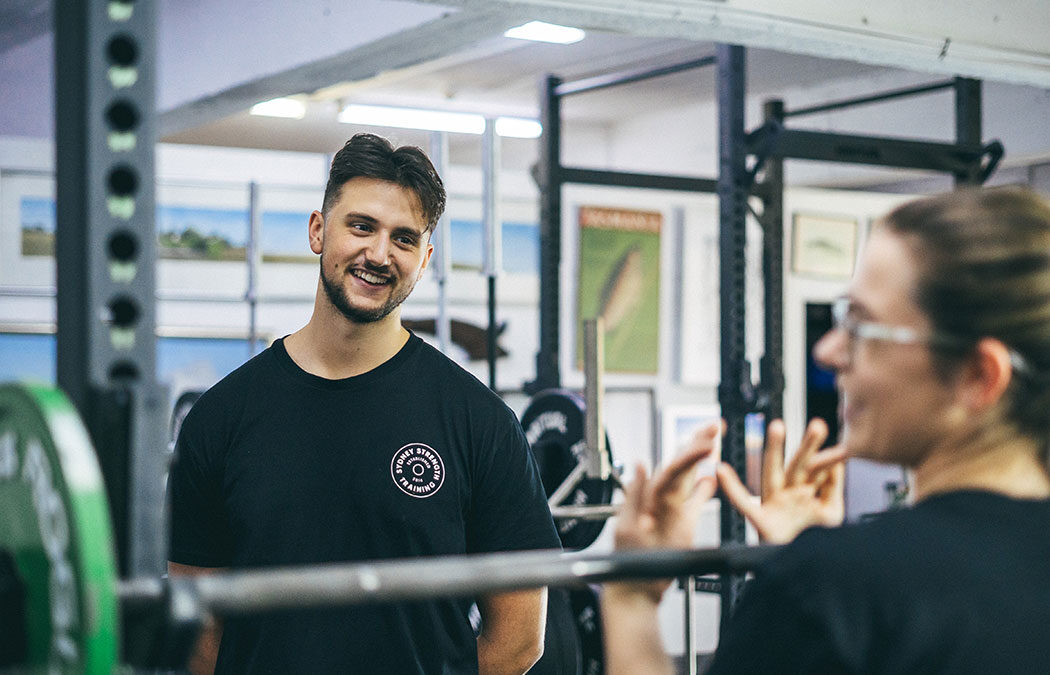
Strained breathing, clanging weights and unfamiliar equipment. For some, the gym can feel like a pretty intimidating place. Add the fear of looking silly, getting injured or failing to meet expectations, and it’s easy to understand why people hesitate to start. Colloquially, we call this “gymtimidation”. However, it isn’t always about what happens in the gym. Sometimes, it’s about what we think might happen. We might worry that everyone is watching us, that we don’t know what we’re doing or that one wrong move will leave us injured.
These concerns are understandable, especially if you’re new to strength training or returning after a long break. The good news is that you don’t need to know everything before you begin. You also don’t need to be fit, strong or confident enough to earn your place in the gym. Today, we’ll unpack three common fears around strength training and discuss some practical ways to overcome them.
Fear of the unfamiliar
One of the biggest barriers to starting at the gym is uncertainty. You might not know which exercises to do, how to use the equipment or whether your technique is correct. Meanwhile, everyone else can appear to know exactly what they’re doing. It’s easy to feel out of place when you’re surrounded by unfamiliar equipment and people who seem more experienced. However, remember that you’re seeing other people at their current stage, not where they started. You also don’t need to compare your progress with theirs. Your training should reflect your goals, abilities and experience. Someone else lifting twice your weight has little bearing on what you need to do today.
So, what can you do?
- Start with a plan. Having a simple, structured program removes some of the guesswork. You can focus on learning a few exercises rather than trying to figure out the entire gym.
- Learn the basics. You don’t need to master every machine or exercise. Start with movements you can practise comfortably and build your proficiency over time.
- Find a supportive environment. A good coach can help you learn the equipment, understand your program and feel more comfortable asking questions.
At Sydney Strength Training, many of our clients have never stepped foot in a gym before. Our aim is to help them feel comfortable and welcome from their initial sessions. Becoming proficient doesn’t mean becoming perfect. It simply takes practice, exposure and repetition.
Fear of getting injured
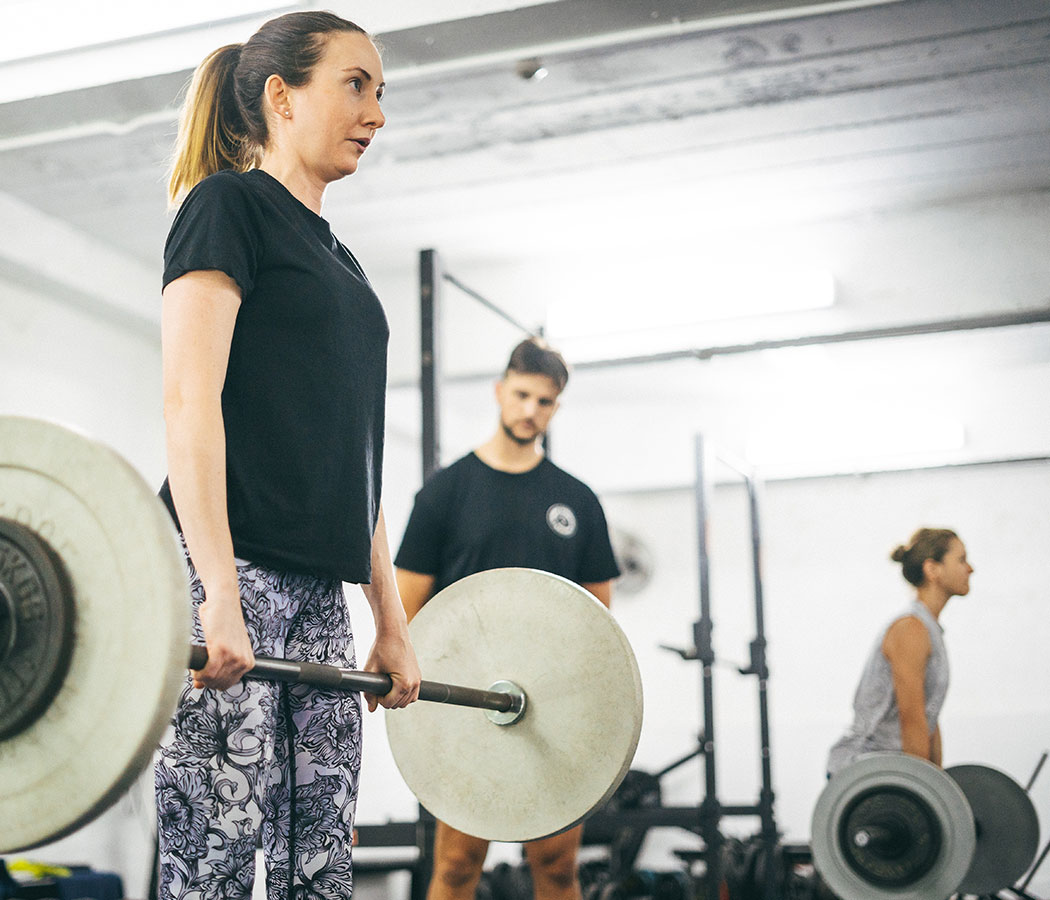
Rightly so, no one wants to get hurt. If you’ve experienced pain during exercise or heard stories about lifting injuries, strength training might seem like an unnecessary risk. However, resistance training is generally very safe when appropriately programmed and performed ¹, ². It also offers substantial benefits for health, strength and physical function. Avoiding exercise altogether has risks of its own. That doesn’t mean you should ignore pain or push through everything. Instead, the key is finding the right entry point for your current abilities. A common mistake is doing too much, too soon, after doing too little for too long. If you haven’t exercised consistently, jumping straight into demanding workouts can leave you feeling sore, overwhelmed or discouraged.
Instead, consider the following:
- Start lighter. Choose a weight you can control while learning the movement. You don’t need to test your limits in your first session.
- Build gradually. Begin with a manageable number of exercises and sessions each week. Increase the challenge as your capacity improves.
- Adjust when necessary. If an exercise causes discomfort, you may be able to change the weight, range of motion or exercise itself. You don’t need to stop altogether.
- Get some guidance. Our coaches can help you choose suitable exercises, develop your technique and adjust your program as you progress.
The human body is remarkably adaptable. Strength training provides a stimulus for your body to respond to, recover from and adapt to over time. You don’t need to rush that process. Good training isn’t about avoiding every challenge. It’s about finding a challenge that suits you and building from there.
Fear of failure
Sometimes, the thing holding us back isn’t the equipment or the fear of injury. It’s the possibility of getting something wrong. You might worry about using poor technique, lifting less than you expected or not making progress quickly enough. Perhaps you’ve tried exercising before, only to stop when life got busy or your initial enthusiasm faded. It’s easy to interpret these experiences as personal failures. However, learning a new skill inevitably involves some uncertainty, mistakes and adjustments. Strength training is no different. Importantly, you don’t need to perform every repetition perfectly or push every set to failure to make progress. You need a sensible program, consistent effort and enough time to adapt.
Here are a few things worth remembering:
- Progress is individual. Your starting point isn’t a reflection of your potential. Focus on your own improvements rather than someone else’s results.
- Consistency matters more than perfection. Missing a session or having a difficult workout doesn’t erase your previous efforts. Simply return to your routine when you can.
- Feedback helps you improve. A good coach won’t expect you to know everything already. They should help you learn, make adjustments and develop confidence along the way.
We often think confidence must come before action. In reality, confidence can grow through experience. Each time you practise an exercise, learn something new or return after a setback, you have another opportunity to build it. You don’t need to be fearless to start. You just need a manageable first step.
From gymtimidation to getting stronger
Starting strength training can feel intimidating, whether you’re worried about being judged, getting injured or failing to reach your goals. However, these fears don’t need to dictate what you do next. Begin with a sensible program, progress at a manageable pace and seek guidance when you need it. Most importantly, give yourself permission to be a beginner. You don’t need to know everything before your first session, and you certainly don’t need to be strong before you start getting stronger. At Sydney Strength Training, we believe in principles over methods. Our goal is to help you build strength through practical coaching, sensible programming and an approach that suits your needs. If you’re ready to get started but aren’t sure where to begin, get in touch today – your first step doesn’t have to be spooky!